
October 7, 2025
vcadmin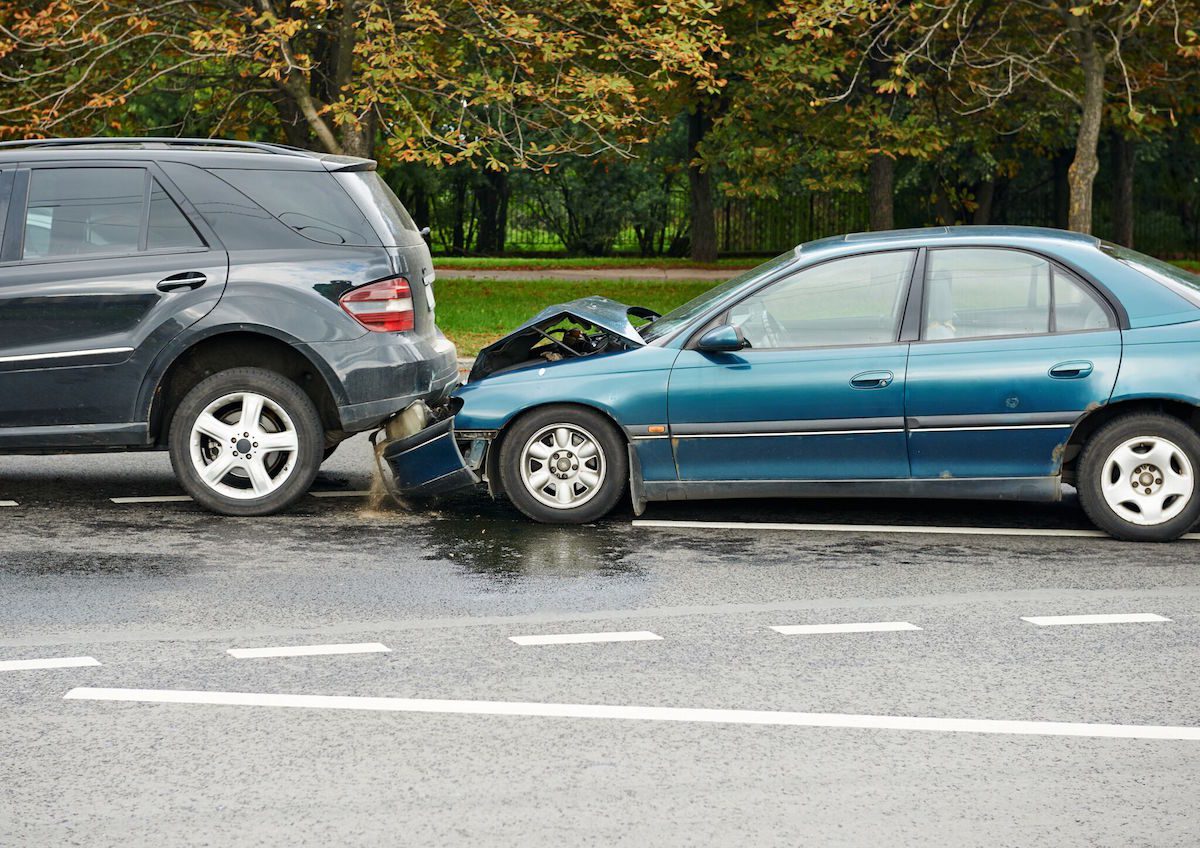
Collision vs. Comprehensive Insurance Coverage: What’s the Difference?
When it comes to auto insurance, one of the most common questions drivers ask is: What’s the difference between collision and comprehensive insurance coverage? Understanding these two types of car insurance is crucial for protecting yourself financially and ensuring you’re not paying for unnecessary coverage. While both collision and comprehensive insurance are designed to cover damages to your vehicle, they apply in different situations.
In this article, we’ll break down collision insurance vs. comprehensive insurance, explain when you need them, and help you decide which coverage is right for your needs.
What Is Collision Insurance Coverage?
Collision coverage pays for repairs or replacement of your vehicle when it is damaged in a crash. This includes:
Simply put, collision insurance protects your car when you collide with something—whether another driver or an object.
Key Points About Collision Insurance
What Is Comprehensive Insurance Coverage?
Comprehensive coverage, also called “other-than-collision insurance,” protects your vehicle from non-collision damage. This means damage caused by events that are typically outside your control, such as:
Unlike collision coverage, comprehensive insurance steps in for unexpected hazards that don’t involve a crash with another car or object.
Key Points About Comprehensive Insurance
The Core Difference Between Collision and Comprehensive Insurance
The simplest way to remember the difference is this:
For example:
If you slide on ice and hit a lamppost, collision coverage handles the repairs.
If a tree blows over in a storm and crushes your car, comprehensive coverage protects you.
Both types of insurance protect your vehicle, but for very different reasons.
Do You Need Both Collision and Comprehensive Coverage?
Whether you should carry both depends on:
Collision vs. Comprehensive: Which Is More Expensive?
Typically, collision insurance costs more because crashes are more frequent than thefts or natural disasters. However, the exact cost depends on your driving history, vehicle type, and location. Combining both coverages can raise premiums, but can also provide peace of mind knowing you’re protected against both accident-related and non-accident-related damages.
Final Thoughts: Choosing the Right Coverage
Understanding the difference between collision and comprehensive insurance coverage is key to making informed decisions about your auto insurance policy. While liability insurance is legally required in most states, collision and comprehensive are optional—but often highly recommended depending on your circumstances.
By comparing your risks and financial situation, you’ll be able to choose the right combination of coverages for maximum protection without overpaying.
Categories: Auto Insurance, Blog